
Therapeutic Playgroups in Natural Settings
Structured outdoor OT groups that build motor skills, social confidence, and sensory regulation — in the natural world where children thrive most.
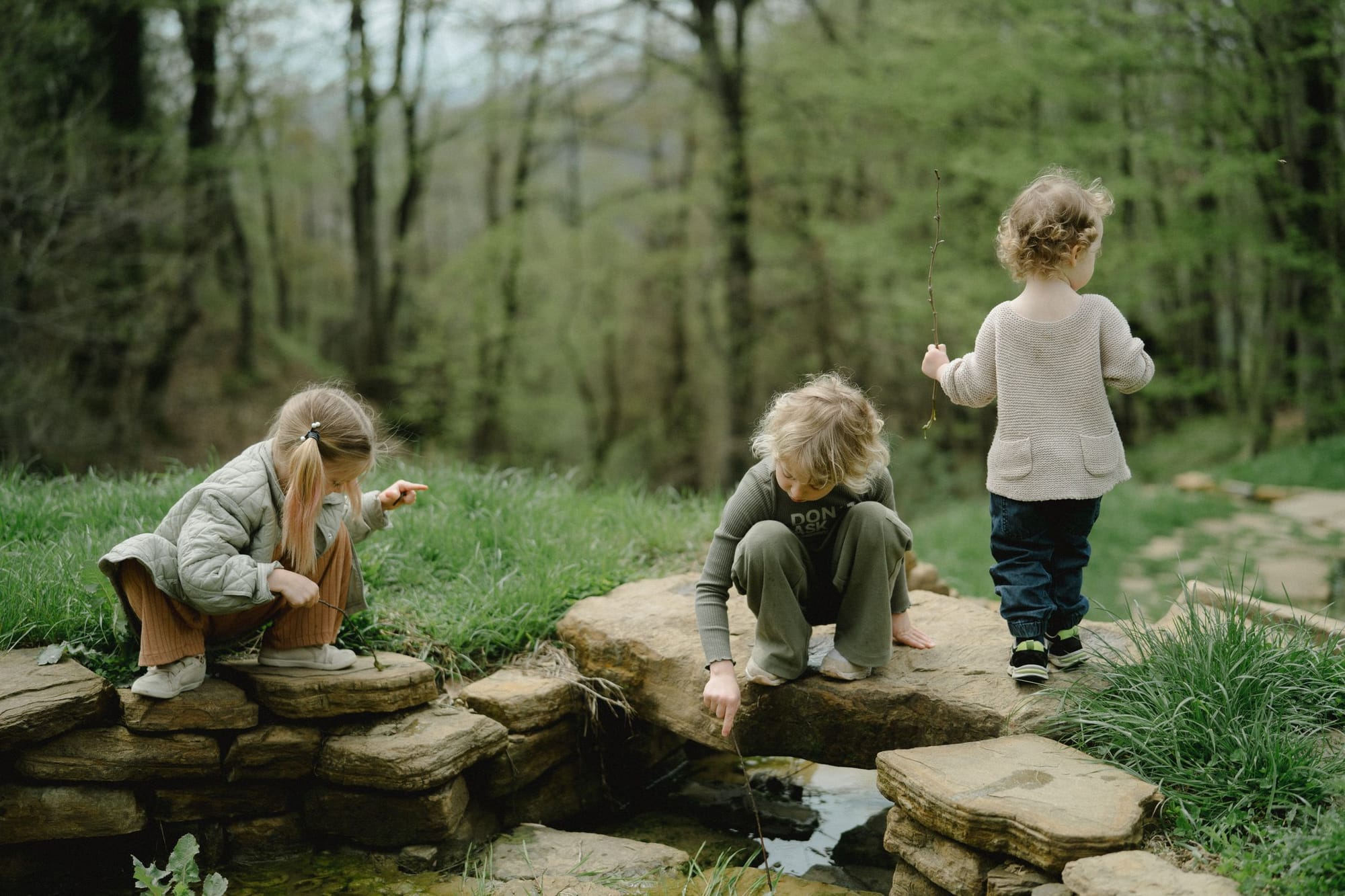
Who are our groups for?
📱 Need time away from screens
Outdoor OT sessions replace screen time with meaningful play and real-world exploration.
💪 Want to build motor skills
Climbing, digging, and nature play build strength, coordination, and body confidence naturally.
🤝 Looking to make friends safely
Small structured groups create a low-pressure, joyful space for connection and social growth.
🌿 Benefit from time to recharge
Nature settings provide the sensory calm and regulation space kids need to thrive and grow.

Initial Clinical Evaluation
Each child will receive an Occupational therapy evaluation with short writeup.

Collaborative Goal Setting
Parents and therapist collaborate to choose 1-2 goals to focus on in group.
Weekly Outdoor Sessions
Group sessions meet weekly January through May at various parks in Santa Clara County.

Dedicated Parent Education
2-3 parent education meetings will occur in place of a group session about every 6th session to check in on progress and answer any questions.

Final Progress Review
A final post group evaluation and write up occurs on the last day of group.
The relationship is the glue that holds it all together
✅ Our expert Therapeeps Nature Based OTs spend time getting to know and understand your child.
✅ We focus on your child’s individual profile that helps us to guide them to better self regulation and engagement.
✅ We follow their lead; interests and passions creating an individualized group just for them.
✅ We create opportunities for safe exploration. We embrace the mess. We get dirty, messy, wet, smelly and tired. And then we learn to manage it. Together
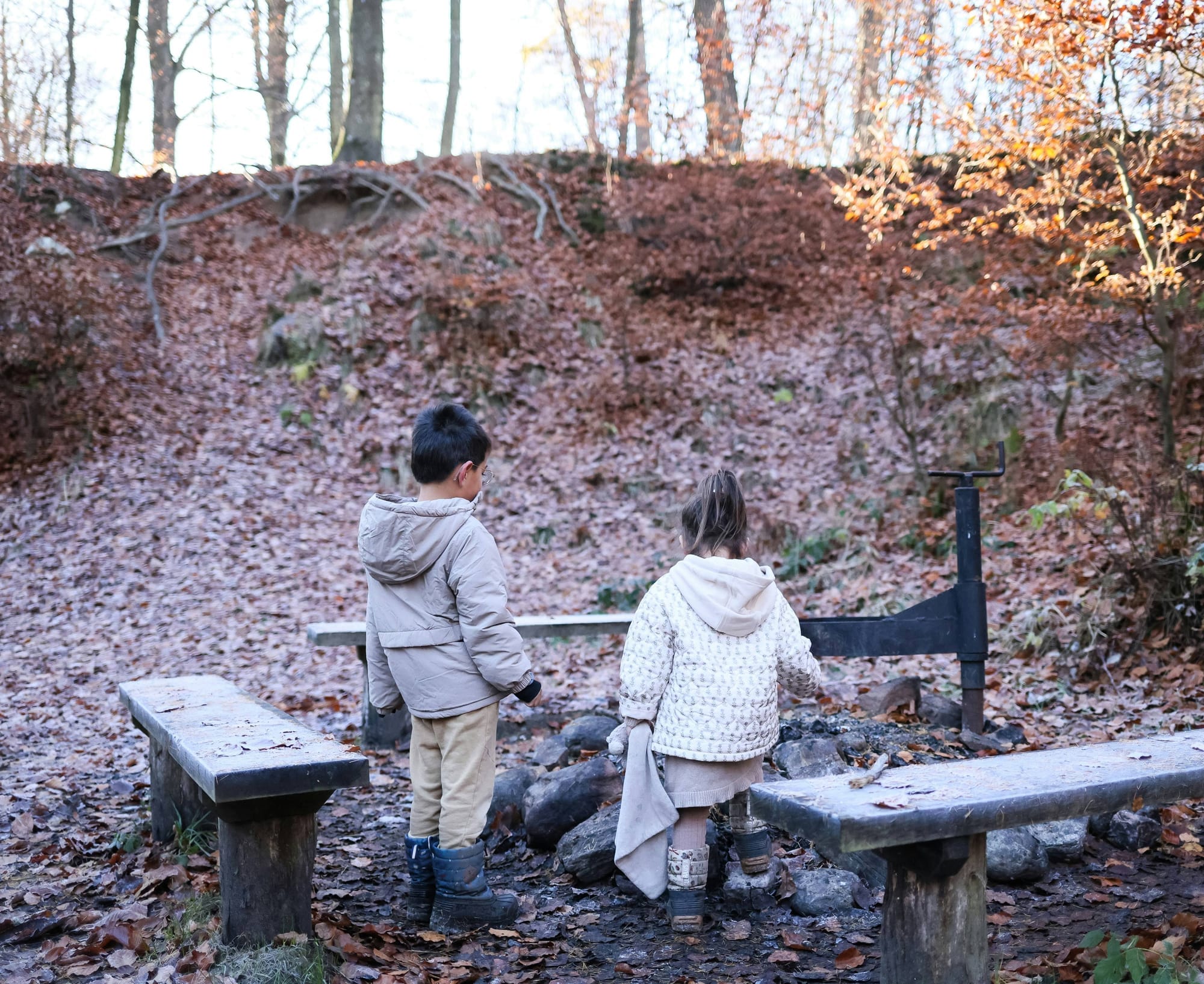
“There’s no such thing as bad weather; only inappropriate clothing” Sir Ranulph Fiennes
Therapeeps players play in any weather condition. We just dress for the occasion.
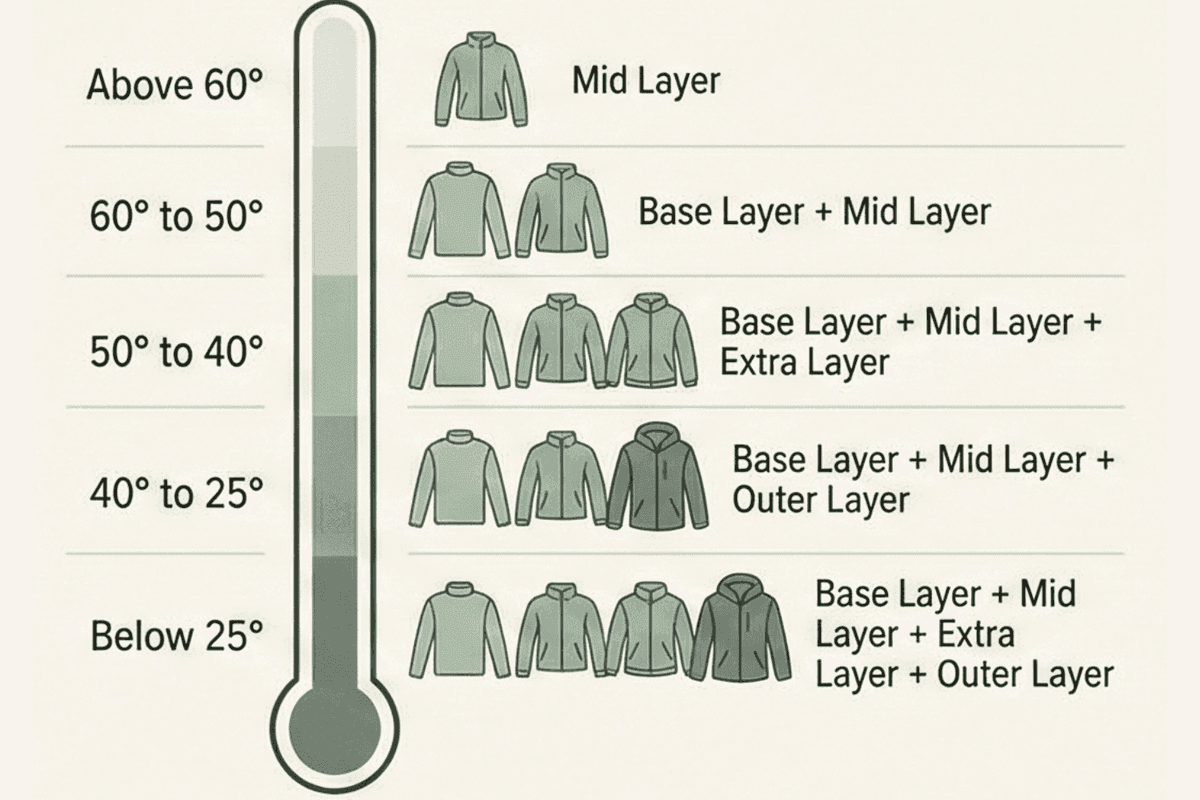
The Essentials
-
1. Base Layer:
Long johns or long underwear made of wool or wool/silk blend are best. As this layer is next to your child’s skin, it must be soft, breathable, and not trap moisture (like cotton).
-
2. Mid Layer:
This is every-day clothing: pants, dress/skirt with leggings, short-sleeved shirt, long-sleeved shirt, socks, etc. Natural fibers like linen, wool, hemp, bamboo, and cotton are good fabrics to look for.
-
3. Extra Layer:
Light coat, sweater, or warm vest, usually something that needs to fit under a coat, so again, wool is best as it adds warmth without adding excessive bulk (thus restricting movement). Good quality fleece is an option, though it is not always breathable and can overheat children, causing them to sweat which, in many circumstances, will leave them feeling chilled. This also means a single pair of thick wool socks, a lightweight hat that covers the ears, scarf or neck gaiter, and mittens. A wool/silk blend hood or balaclava is a great option as it fits under most hoods without much bulk and also covers the neck, ears, and cheeks.
-
4. Outer Layer (Rain/Wet):
Waterproof boots that fit well (room for a thick pair of socks without squishing toes), rain pants or bibs, raincoat with hood, thicker wool mittens in damp conditions (which are still warm, even when damp), waterproof mittens in wet conditions, and a hat that fits under the hood. Rain gear isn’t just for rainy days; it’s also essential after rainy days when it is muddy and damp on the play yard. This layer will save you innumerable loads of laundry!
-
5. Outer Layer (Snow/Cold):
Waterproof, insulated, boots that fit well with room for a thick wool sock. Waterproof pant bibs. Mittens or gloves, a warm hat and scarf/ neck gaiter or wool hood, and a waterproof insulated coat with hood. Look for natural down fill and Gore-Tex for a start.
Citation: City of Lakes Waldorf School, February 22, 2016 – https://www.clws.org/layering101/
Keep in mind this is a rough guide and all children are different. You know your child best: Do they run warm? Cold? In between? As a last note, a good measure of your child’s temperature is their neck and back, then hands. Often when one takes off a layer, others insist they, too, are warm, when often it is more to do with imitating a friend.
Resources for outdoor kids gear
PuddleDucks (online): Rain pants/ bibs/ coats, rain boots, waterproof mittens
REI (online and in-store): Rain gear, bibs, boots, wool socks (spring/summer clearance sales)
Obermeyer (online, REI and other sporting goods stores): a variety of gear that is high quality and all products have seams you can let out each year as your child grows to allow for multiple years of use.
Our team provides occupational therapy services in natural settings that are meaningful to your child. We take your child out of a clinic into the outdoors where your child will develop underlying skills needed to address everyday challenges. Research shows being outside lends a therapeutic value unto itself. We guide children to explore, be brave, get strong, feel calmer and develop more empathy while honoring their individual differences.
Our nature-based groups are paused for now and start again in January. If you're interested, please shoot us an email at info@therapeepsot.com.
Frequently Asked Questions
How are Nature based OT groups different from individual?
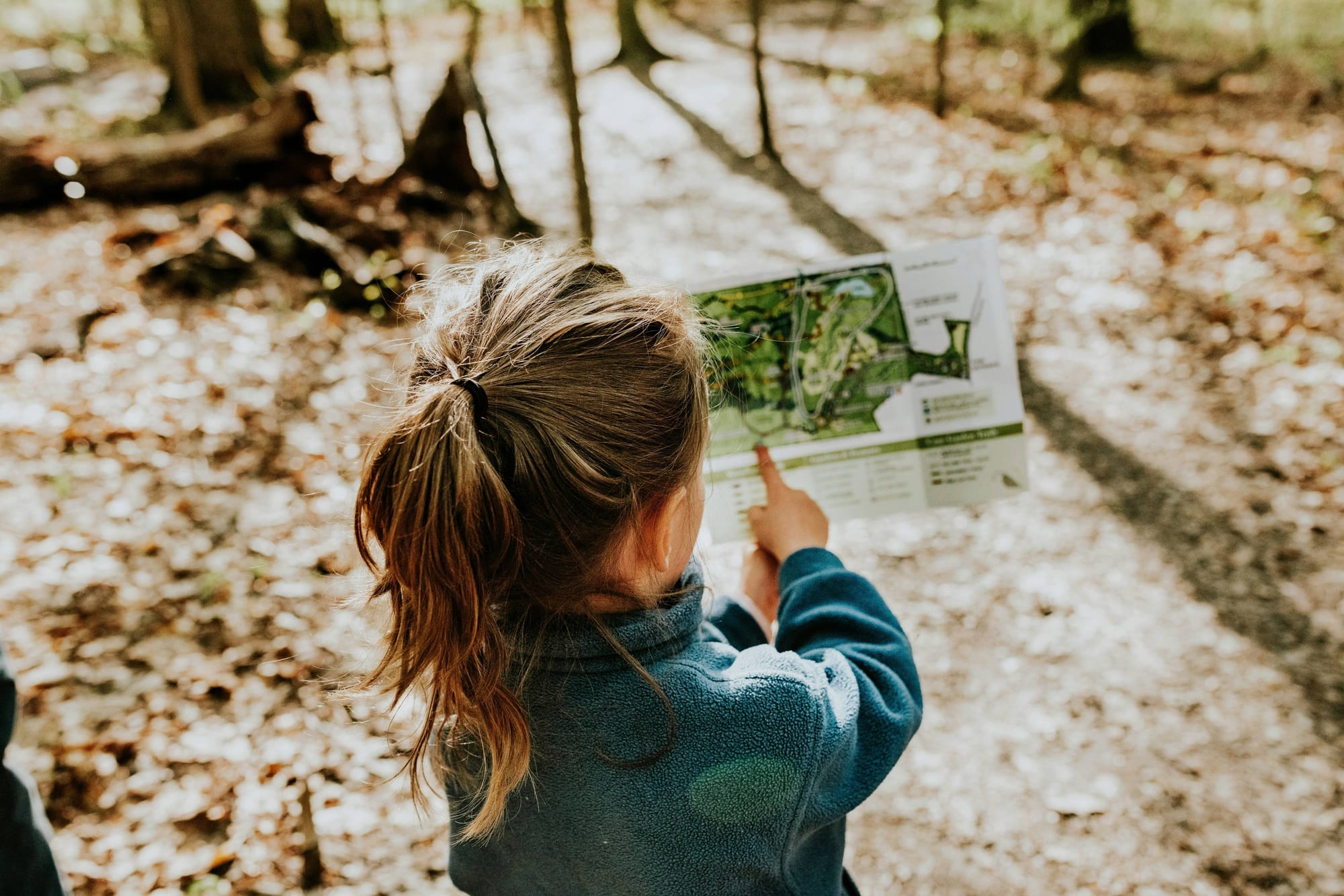 Some kids benefit from individual OT sessions which are more predictable and therapist controlled, can provide opportunity for practice or repetition and can be carefully modified for children.
But children grow and need challenges
Nature based OT groups harness nature, peers, movement, and sensory input to create a just right challenges for your child in a less predictable environment. Our Nature Based OT specialists are able to make moment to moment changes to the environment, the activity or to physically or emotionally support your child so they can have success in playing!
How is Nature used therapeutically?
Nature organizes the nervous system, strengthens the body–brain connection, and restores emotional capacity in ways no indoor setting can fully replicate—especially for children with ADHD, autism, anxiety, trauma histories, or sensory processing differences.
Nature Regulates the Nervous System
Nature gently shifts children out of fight/flight or shutdown and into a regulated, social, learning-ready state
- Rhythmic sensory input (wind, birds, leaves) calms the brainstem
- Natural light stabilizes circadian rhythms
- Wide open spaces lowers cortisol
- Predictable natural patterns create subconscious safety
Resulting in Better emotional control, fewer meltdowns, improved attention
How does nature serve to improve self regulation, handwriting or motor planning (praxis)?
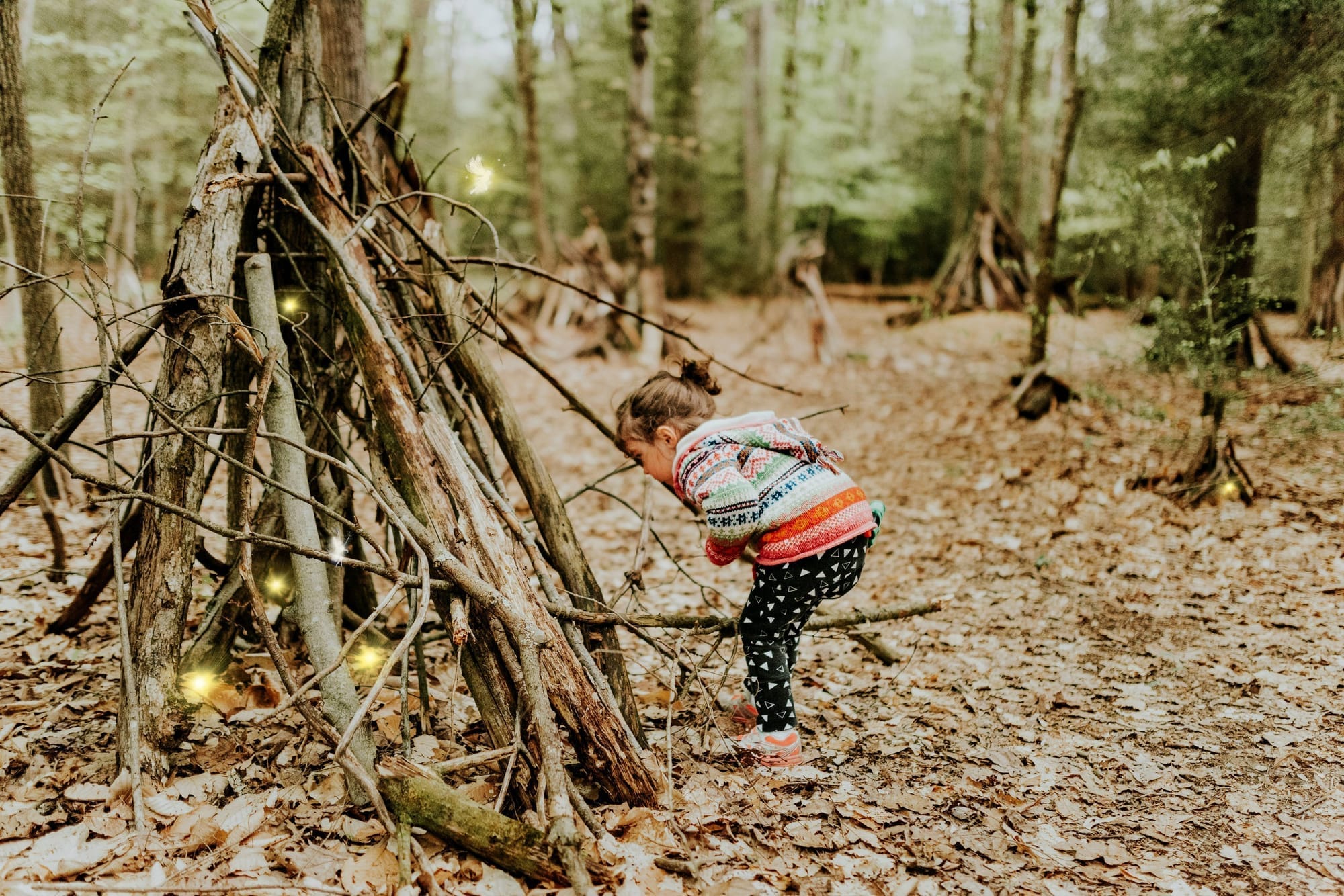 Our expert occupational therapists work with kids using the outdoors as a modality to help kids improve
- postural control + confidence
- Proprioception and regulation
- motor planning skills + bilateral coordination
- upper body strength + tactile processing
This result in kids who have stronger self regulation skills, better handwriting readiness and improved motor planning or praxis
How does nature help with emotional regulation?
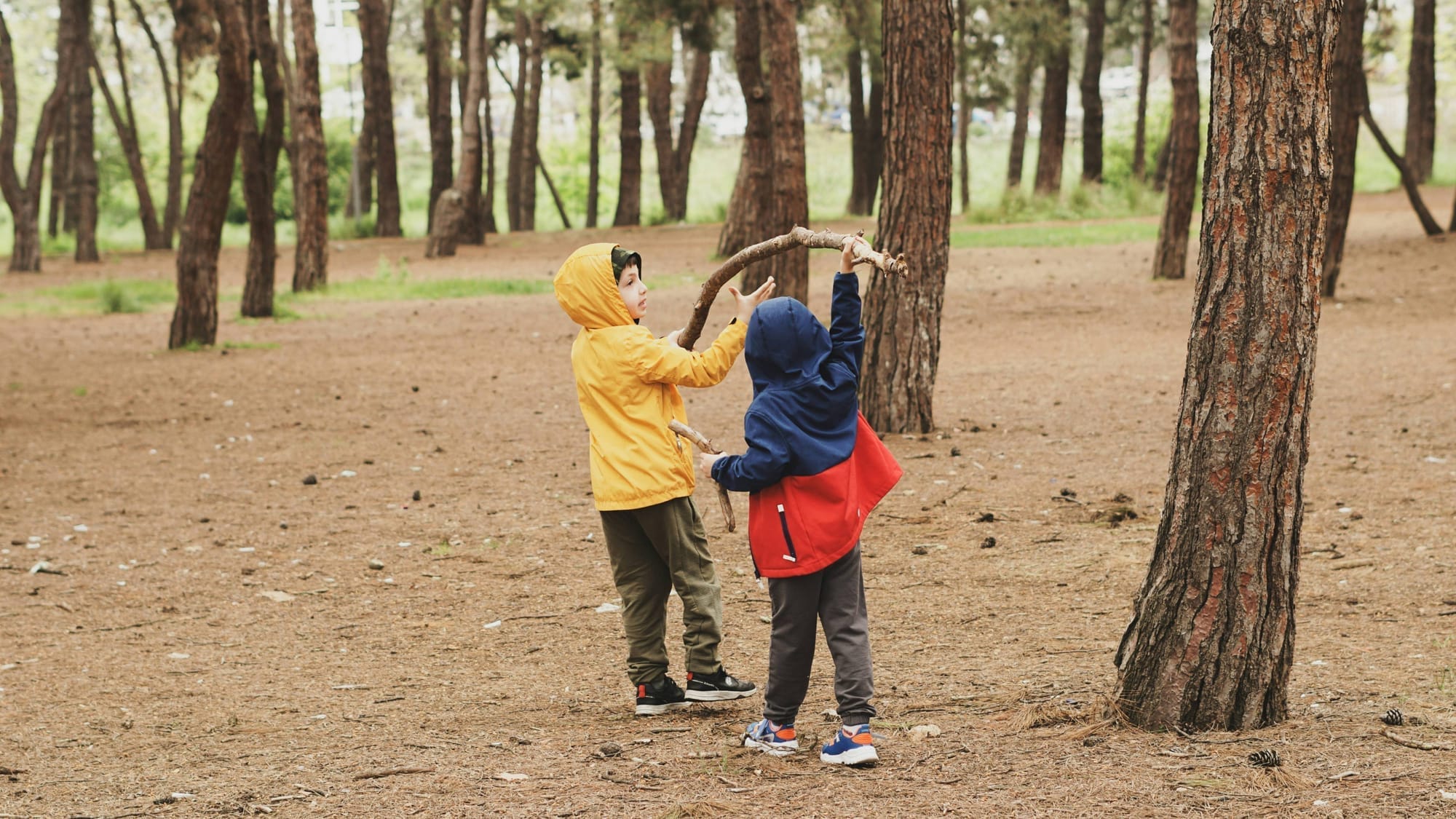
Nature Restores Emotional Resilience
Nature gives kids something modern life doesn’t:
Low-demand restoration.
- No performance expectations
- No social pressure
- No constant correction
- No screens fragmenting attention
Children can:
- Process stress
- Release stored tension
- Rebuild emotional energy
The result is Less reactivity, more patience, greater frustration tolerance. Allowing children to recharge. Feel safe, try new things
How do you work on social learning in a nature based group?
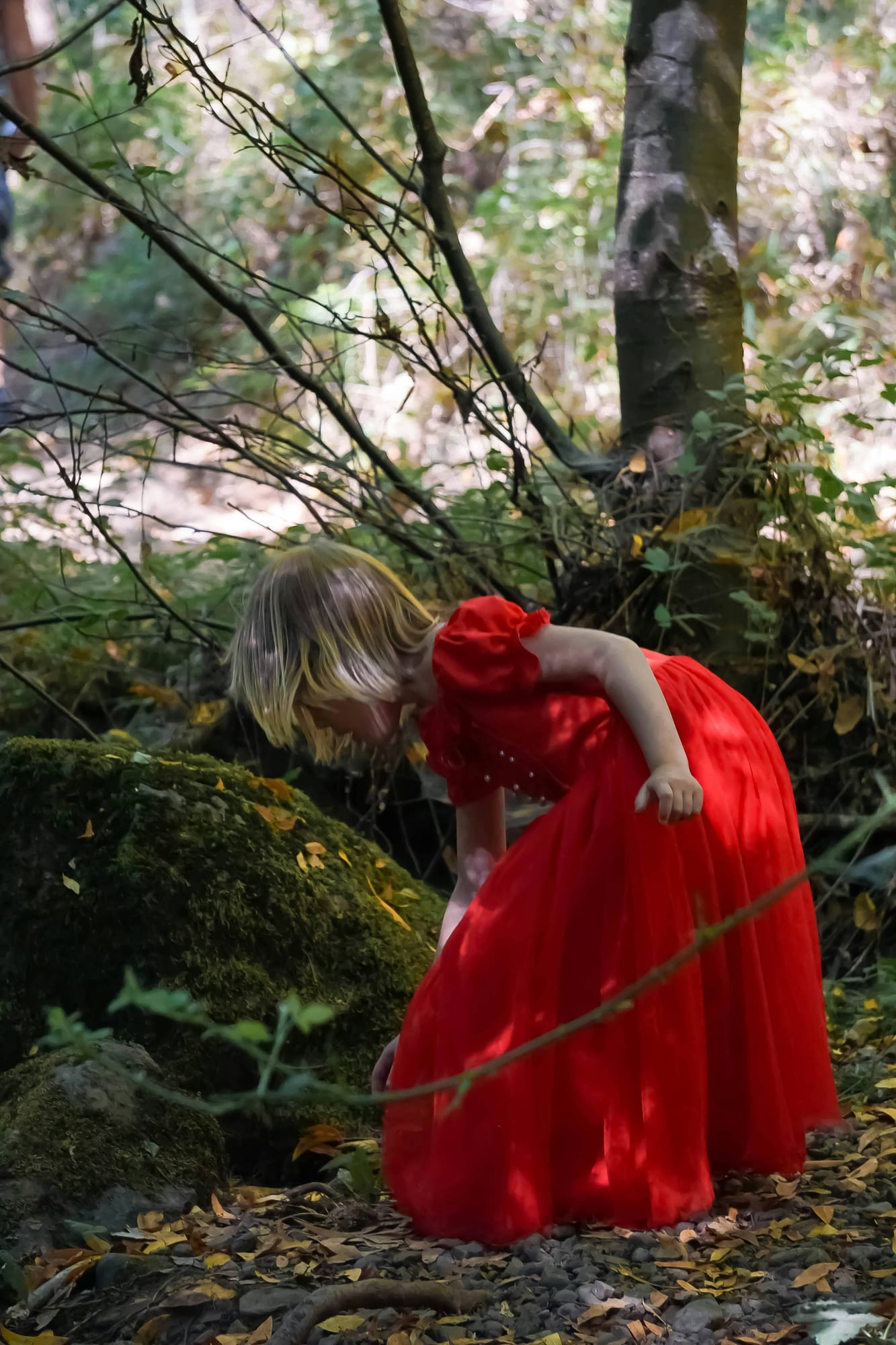
Nature Creates Safer Social Learning
We believe that kids do well when they can. Nature offers an environment that softens social pressure.
- No forced eye contact
- Shared goals emerge organically with kids outdoors. They work together to make things work.
- Conflicts are real—but less threatening and kids can take time and pace themselves to problem solve together
- Resulting in Stronger friendships, safer peer interactions, improved communication
Can you work on Executive Functioning in nature?
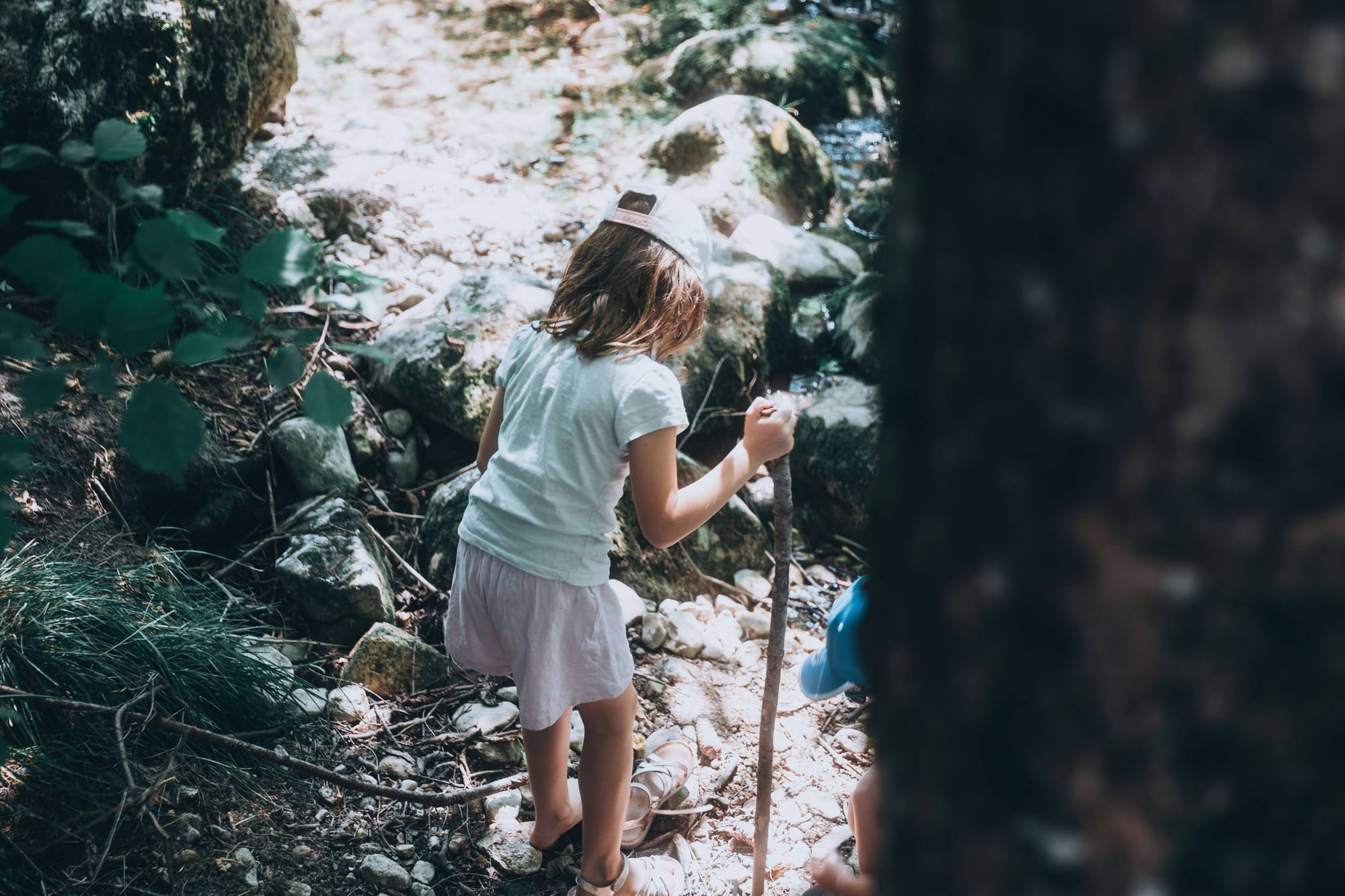
Nature Grows Executive Function
In nature, kids naturally practice:
- Planning
- Sequencing
- Inhibition
- Flexibility
- Problem solving
- Sustained attention
All without
- Timers
- Tokens
- Correction or heavy adult control
The Result is Real-world executive skills that actually generalize
Will my child gain confidence in nature groups?
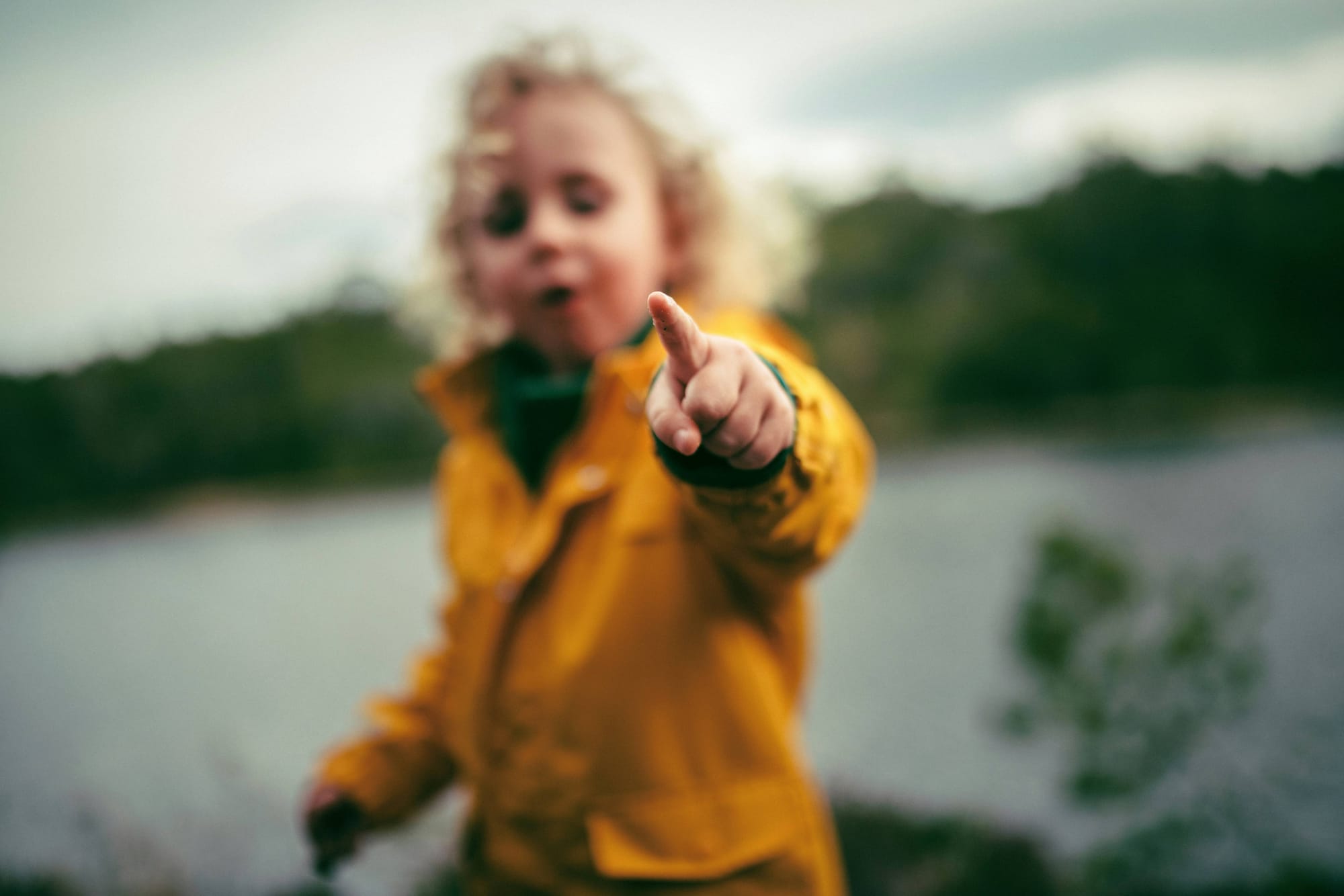
Nature Restores a Child’s Sense of Self
Many of our kids feel:
- “Too much”
- “Too loud”
- “Too sensitive”
- “Too slow”
- “Too dysregulated”
But in nature, they become:
- Builders
- Climbers
- Observers
- Leaders
- Helpers
- Risk-assessors
- Result: Identity shifts from “problem” to “capable.”
Nature is calling. Is your child ready to explore?
Swap the screen for the soil and help your child find their rhythm in the natural world.
Medically reviewed by Brooke Olson, OTR/L, BCP, Owner & CEO