
Where We Come to You
TheraPeeps provides in-home pediatric occupational therapy across Santa Clara and Santa Cruz Counties, including Mountain View, Los Altos, Los Altos Hills, Palo Alto, Menlo Park, Portola Valley, Sunnyvale, Cupertino, Santa Clara, Saratoga, Campbell, Los Gatos, San Jose, Santa Cruz, Capitola, and Bonny Doon. Not sure if that includes you? Check our full service area or call us at (650) 204-0677.
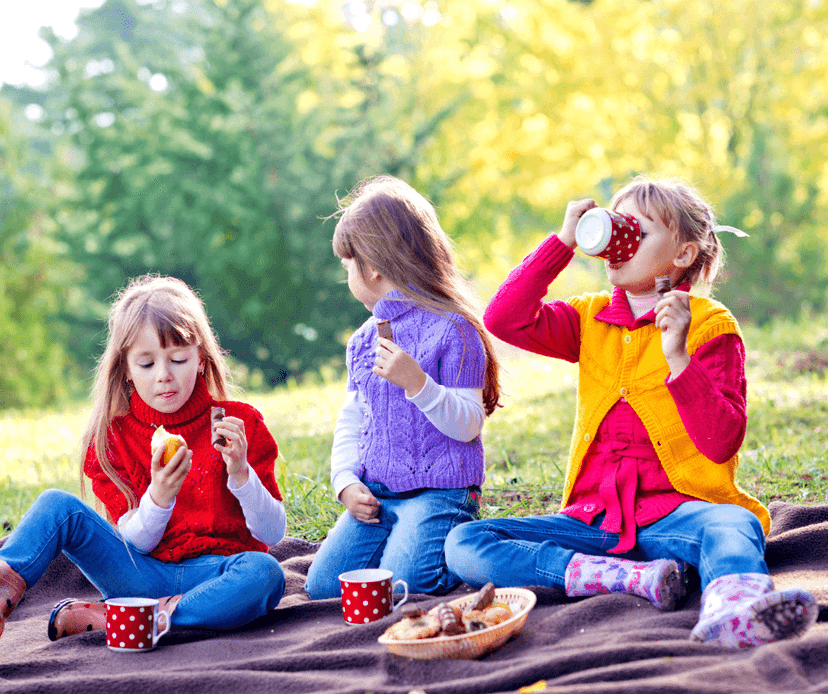
Picnics are one of the easiest ways to slow down and spend quality time with your toddler.
Unlike a busy outing with a packed schedule, a picnic creates space for children to explore, play, and connect at their own pace. Whether you’re heading to a local park, your backyard, or a nearby grassy area, a picnic can become much more than a meal outdoors.
With just a few simple ideas, you can turn an ordinary picnic into an opportunity for sensory exploration, learning, and meaningful connection.
Pack a “Touch and Feel” Picnic Basket
Before heading out, gather a few items with different textures for your child to explore.
Consider bringing:
- A soft washcloth
- A bumpy ball
- A feather
- A sponge
- A smooth rock
As your toddler touches and compares different textures, they learn more about their environment through sensory exploration. You can even turn it into a game by asking questions like, “Which one feels soft?” or “Can you find something rough?”
Go on a Color Hunt
While sitting on your picnic blanket, challenge your toddler to find colors around them.
Try searching for:
- Something green
- Something yellow
- Something red
- Something blue
This simple activity encourages observation skills while helping toddlers notice details in their environment.
Create Nature Bracelets
Wrap a piece of painter’s tape around your toddler’s wrist with the sticky side facing outward.
As you explore, your child can attach:
- Grass
- Small leaves
- Flower petals
- Tiny pieces of bark
This creates a fun sensory craft while encouraging outdoor exploration.
Taste-Test Picnic Foods
A picnic can be a great opportunity to introduce food exploration in a relaxed setting.
Offer a variety of foods with different:
- Colors
- Shapes
- Textures
- Temperatures
Encourage your child to talk about what they notice rather than focusing on whether they eat it. Questions like “Is it crunchy or soft?” or “What does it smell like?” can help build curiosity around food.
Play Cloud Watch
Sometimes the simplest activities create the strongest connections. Lie on a blanket together and look up at the clouds.
Ask questions such as:
- What shapes do you see?
- Does that cloud look like an animal?
- Which cloud is moving fastest?
This encourages imagination while creating a calm moment of shared attention.
Listen for Nature Sounds
Take a short “listening break” during your picnic. Close your eyes and see how many sounds you can identify together.
You might hear:
- Birds
- Wind
- Dogs barking
- Children laughing
- Leaves rustling
This activity encourages auditory awareness while helping children slow down and focus on the present moment.
Build a Tiny Nature Home
Gather natural materials and create a small pretend home for bugs, animals, or favorite toy figures.
Use:
- Sticks
- Leaves
- Pinecones
- Flowers
- Rocks
Building and arranging materials supports creativity, problem-solving, and fine motor skills.
Share a Story Together
Bring a favorite book or make up your own story inspired by your surroundings.
You might create a story about:
- A bird you spotted
- A squirrel gathering food
- An imaginary picnic adventure
Storytelling encourages language development while strengthening connection between parent and child.
Follow Your Child’s Lead
One of the greatest benefits of a picnic is the opportunity to slow down. You don’t need to plan every minute or provide constant entertainment.
If your toddler wants to spend ten minutes examining a flower or watching ants march across the grass, that’s okay. Some of the richest learning opportunities happen when children are allowed to explore what naturally interests them.
What Makes Picnics So Valuable?
Picnics combine many of the things children need most: movement, sensory experiences, outdoor exploration, and quality time with the people they love. The activities themselves don’t have to be elaborate. Often, it’s the shared experience of exploring together that creates the greatest impact.
When we slow down and join children in their world, we create opportunities for both connection and development.
Small Moments That Support Big Development
Many of the best opportunities for growth happen during simple, everyday experiences like picnics, walks, meals, and outdoor play.
If you’re looking for ways to support your toddler’s sensory, motor, or social development, occupational therapy can help you find practical strategies that fit naturally into your family’s routine. Small, playful moments often add up to meaningful progress over time.